
We’ve all felt it – that collective groan as thousands of us try to squeeze through the same bottlenecks at the same time, day after day. It’s inefficient, frustrating, and costly in more ways than one.
And the hard truth? Just building wider roads often falls victim to “induced demand” – basically, the new space attracts more drivers, and before long, it’s congested again. If we want real improvement, we need to think differently. Here are a few approaches that cities are experimenting with, or could lean into more:
Making Our Existing Roads Work Harder
Instead of just static lanes, imagine roads that adapt to traffic needs in real-time. This isn’t sci-fi; variations are already in use.
Dynamic/Reversible Lanes: Think about those overhead signs or movable barriers that change which lanes go in which direction. On bridges or tunnels leading into a city, maybe more lanes flow inbound during the morning peak and outbound in the evening. This maximizes the capacity of the existing pavement precisely when and where it’s needed most.

Smart Corridors: This involves using technology more broadly. Variable speed limits can smooth out flow and prevent the stop-and-go waves that cause jams. Ramp metering (those traffic lights controlling freeway entrance) helps prevent merging chaos that slows down the main lanes. Smart traffic signals can adjust their timing based on actual traffic volume, coordinating along major routes to create “green waves.” Even allowing shoulder running (using the breakdown lane as a travel lane during peak hours, where safe) squeezes more capacity out of the road.
The Payoff: These techniques focus on efficiency. Data from places using these methods shows they can increase throughput (the number of vehicles getting through per hour) and reduce travel time variations without laying new asphalt. The challenge? It requires investment in technology and clear communication so drivers understand how to use the system safely.
Maybe We Pay for the Prime Cuts?
This one often sparks debate, but the basic economic idea is simple: roads, especially in prime downtown areas during peak hours, are a scarce resource. Congestion pricing means charging a fee to drive in a specific, high-demand zone during the busiest times. Think of it like surge pricing for road space. Several major world cities have shown it can work:
London: Since 2003, London has had a Congestion Charge zone covering its central area during weekday business hours. Data consistently shows significant results: traffic volume inside the zone dropped noticeably (initial reports cited around 15-30%), bus ridership increased, cycling went up, and air quality improved. The revenue generated is reinvested directly into London’s transport system. They also later added an Ultra Low Emission Zone (ULEZ) with even stricter vehicle standards.

Singapore: A pioneer in this area, Singapore has used Electronic Road Pricing (ERP) since 1998. Gantries automatically charge vehicles entering priced areas, with rates varying by location, time of day, and even real-time traffic conditions. It’s widely seen as effective in keeping traffic moving on the priced roads.
Stockholm: After a successful trial, Stockholm implemented a congestion tax cordon around its central city in 2007. Like London, they saw measurable drops in traffic, increased public transport use, and reduced emissions. The funds help pay for new infrastructure.
The Idea: The goal isn’t just to raise money; it’s to discourage driving in the most congested places at the most congested times. It nudges people to consider alternatives: take the bus or train, bike or walk, travel off-peak, or maybe not make the trip at all.
The Challenges: It’s often politically difficult to implement (“war on cars!” claims). There are valid concerns about fairness – does it disproportionately affect lower-income workers who have to drive? Designing the zone boundaries, pricing levels, and exemptions requires careful thought. But the data from cities that have done it suggests it does reduce congestion effectively. (New York City is currently navigating the complexities of implementing a similar plan).
Un-Synching Our Schedules
A lot of traffic happens simply because legions of us are trying to get to work around 9 AM and leave around 5 PM. What if we could spread that demand out?
Flexible Schedules: Allowing employees to shift their start and end times (e.g., 7-3, 8-4, 10-6) can help flatten that sharp peak commute curve.

Compressed Work Weeks: Working four 10-hour days instead of five 8-hour days means one less commute day per week for those employees.
Remote Work / Telecommuting: The massive, unplanned experiment during the early COVID-19 pandemic showed undeniable proof: when large numbers of people work from home, traffic volumes plummet. Even a hybrid model where people commute only a few days a week can significantly ease congestion compared to everyone going in five days.
The Potential: Spreading out travel times reduces the maximum strain on roads and transit. It can also offer employees better work-life balance. The hurdles? It requires buy-in from employers, isn’t suitable for every job type, and needs a cultural shift away from rigid 9-to-5 thinking.
The Bigger Picture (It Takes a Village… or a City Plan)
These strategies work best when combined with other essential elements:
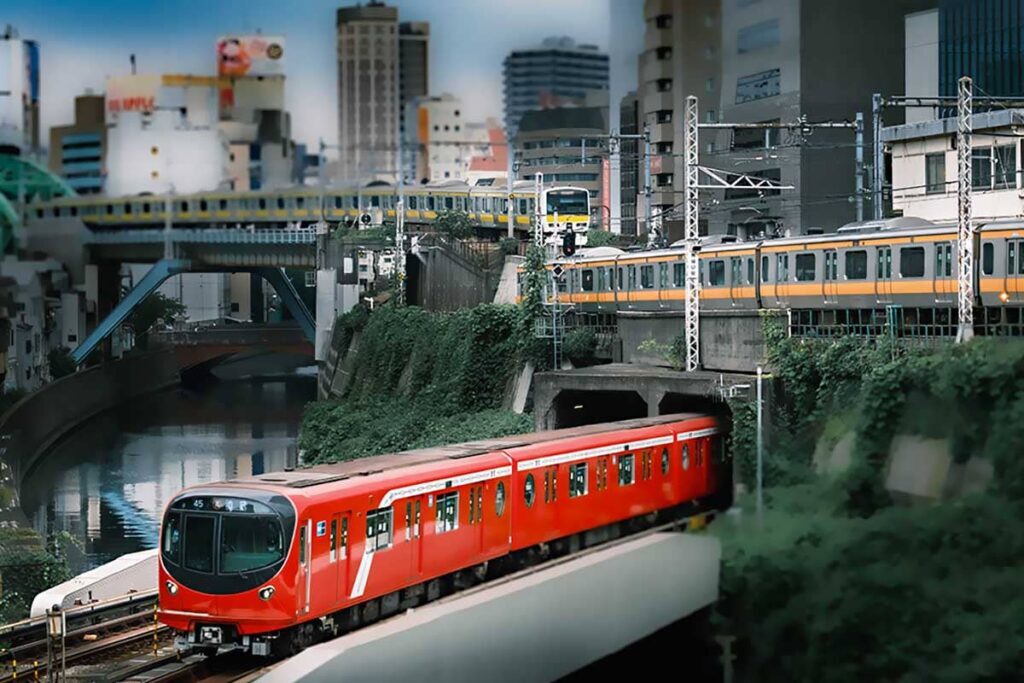
Excellent Public Transit: Giving people a genuinely convenient, reliable, and affordable alternative to driving is paramount. More frequent buses, dedicated bus lanes, extensive rail networks – they all help.
Safe Biking & Walking: For shorter trips, safe and connected bike lanes and pedestrian-friendly streets make active transport feasible and appealing.
Smarter Land Use: Long-term, designing neighborhoods where people can live closer to work, shops, and services (mixed-use development) reduces the fundamental need for constant long car trips.
Can We Fix It? Maybe.
Let’s be honest, “fixing” urban traffic completely is probably impossible as long as cities grow and people need to move around. But settling for the current state of chronic rush-hour gridlock feels incredibly inefficient and outdated. We can do better.
The answer likely isn’t just one magic bullet, but a combination of strategies: making our existing roads smarter and more adaptive with technology, perhaps implementing pricing mechanisms to manage demand in the most critical areas (learning from London, Singapore, Stockholm), encouraging more flexible work schedules to spread out the peak, and critically, investing heavily in high-quality public transit and active transportation options.
It requires political will, public discussion (especially around pricing), and a willingness to think beyond just adding more lanes. But imagining a commute that doesn’t automatically involve frustration and delay? That feels like a future worth working towards.